
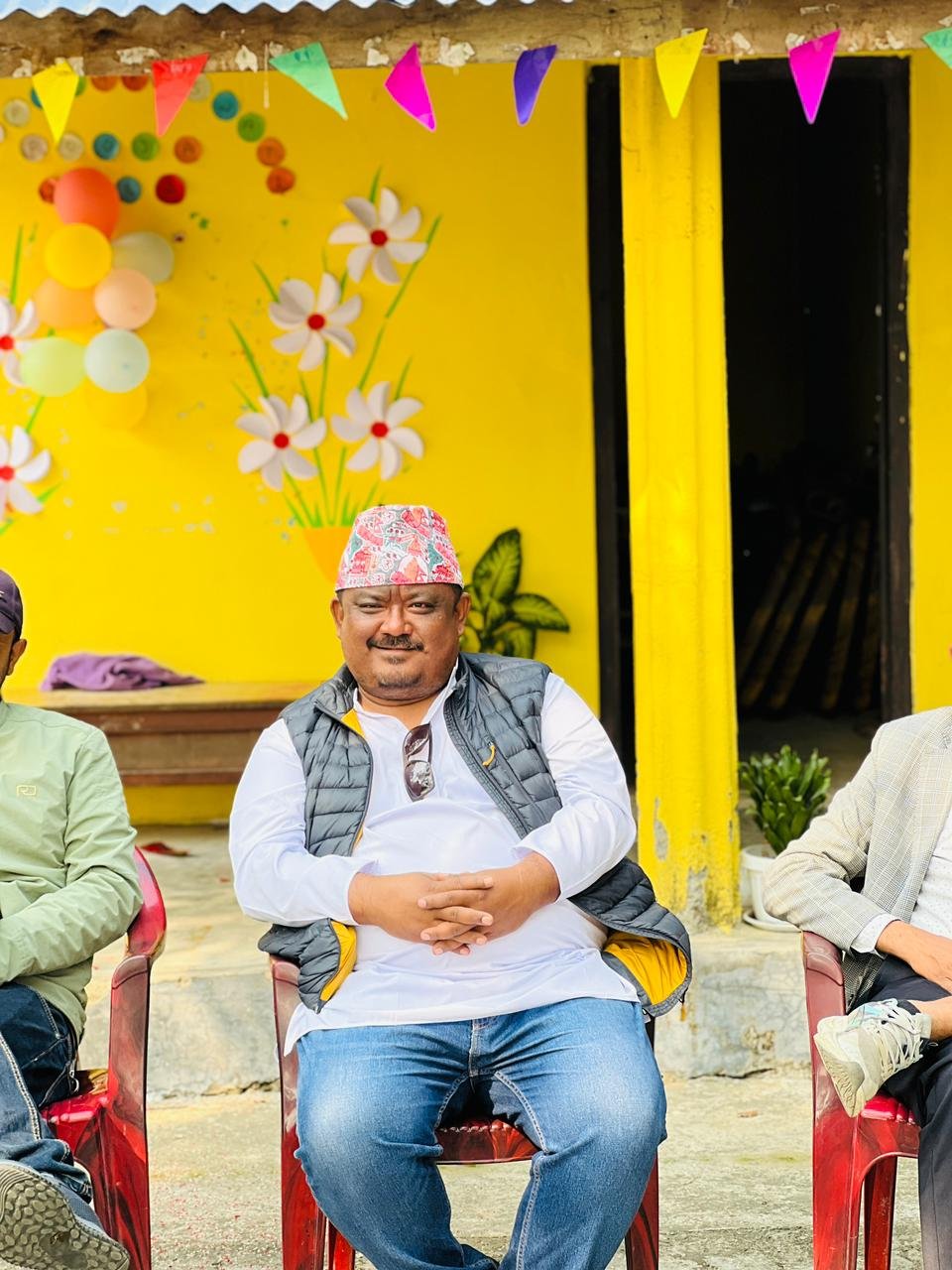
Sujan Lama Education Qualification, Early Life and Academic Journey
Education has been the cornerstone of Sujan Lama's journey from a village in Sunsari to becoming a transformative political leader. This comprehensive article explores his educational background, academic achievements, early life challenges, and how his learning experiences shaped his vision for Sunsari-2 constituency development.
Early Childhood in Sunsari Villages
Sujan Lama was born and raised in a modest farming family in the rural areas of Sunsari district. His early childhood was spent in the villages that now constitute Sunsari-2 constituency - areas that he represents in Parliament today. Growing up in the 1990s and early 2000s, he experienced firsthand the challenges facing rural Nepalese children:
- Long walks to school: Like many village children, young Sujan walked 3-4 kilometers daily to reach his primary school, often crossing rivers and muddy paths during monsoon
- Limited educational resources: His school lacked proper buildings, libraries, science labs, and even basic facilities like toilets and clean drinking water
- Economic struggles: His farming family sometimes struggled to afford school fees, uniforms, and textbooks, making education a constant challenge
- Electricity scarcity: Without reliable electricity, studying after sunset meant using kerosene lamps or candles
These early hardships instilled in Sujan Lama a deep appreciation for education and a determination that no child in Sunsari-2 should face such barriers to learning. His personal experience of educational deprivation later became the driving force behind his "Education First" policy as a political leader.
Primary Education: Building Foundations
Sujan Lama completed his primary education (Classes 1-5) at a local community school in his village. Despite limited resources, he proved to be a bright and dedicated student. Teachers recall him as curious, hardworking, and always eager to learn more than what textbooks offered.
Notable Early Academic Traits:
- Consistently ranked among top 3 students in his class
- Developed strong reading habits, borrowing books from anyone who owned them
- Showed leadership qualities by helping classmates understand difficult lessons
- Active participation in school cultural programs and debates
His family, despite economic limitations, recognized his academic potential and made sacrifices to ensure he continued his education - a common but challenging decision for farming families where children often contribute to agricultural work.
Secondary Education in Itahari and Inaruwa
For secondary education (Classes 6-10), Sujan Lama attended schools in Itahari and Inaruwa - the larger urban centers of Sunsari district. This transition from village to town marked a significant turning point in his educational journey and worldview.
Academic Performance
During his secondary years (approximately 2005-2010), Sujan Lama excelled academically:
- Consistent High Performance: Maintained first division (60%+ marks) throughout secondary school
- Science Stream Focus: Showed particular aptitude in mathematics and science subjects
- Language Skills: Developed strong proficiency in Nepali, English, and his mother tongue
- SLC Examination: Successfully passed the School Leaving Certificate (SLC/SEE) examination with good grades
Beyond Academics: Developing Leadership
Secondary school was where Sujan Lama first discovered his passion for leadership and community service:
- Student Council: Elected as class representative and later school prefect, showing early leadership abilities
- Debate and Oratory: Won several inter-school debate competitions, developing public speaking skills that serve him today
- Social Service: Organized literacy classes for out-of-school children in nearby slums during vacations
- Sports Participation: Active in football and volleyball, understanding the importance of teamwork and discipline
Higher Secondary Education: Broadening Horizons
After completing SLC, Sujan Lama pursued higher secondary education (Classes 11-12) in Itahari, majoring in Humanities/Social Sciences. This academic choice reflected his growing interest in social issues, politics, history, and economics rather than pure science or commerce.
Why Humanities?
While many top students opt for science or engineering streams, Sujan Lama deliberately chose humanities because:
- Deep interest in understanding society, politics, and governance systems
- Desire to study Nepal's history, social structures, and development challenges
- Recognition that social sciences provide tools for solving community problems
- Preparation for potential career in public service, development work, or politics
Academic and Co-curricular Excellence
During higher secondary years (approximately 2010-2012):
- Studied subjects including Nepali literature, English, sociology, political science, and economics
- Achieved first division in final board examinations
- Actively participated in student politics, joining youth wings of political parties
- Wrote articles for local newspapers on education, youth issues, and local development
- Volunteered with NGOs working on rural development projects
Bachelor's Degree: Specialization and Activism
Sujan Lama pursued his Bachelor's degree from a college in Biratnagar or Dharan (major cities near Sunsari), specializing in Political Science or Development Studies. This phase combined formal academic learning with intensive grassroots activism.
Academic Focus Areas
- Political Theory: Studied democracy, governance systems, public policy, and political philosophy
- Development Studies: Learned about rural development, poverty alleviation, and community mobilization
- Economics: Understanding of agricultural economics, microfinance, and local economic development
- Sociology: Study of caste systems, social inequality, gender issues, and community dynamics
- Public Administration: Insights into bureaucracy, local governance, and government functioning
Combining Studies with Activism
Unlike students who focus solely on academics, Sujan Lama balanced his bachelor's degree with intensive social and political activism:
- Led student movements demanding better facilities, fee concessions for poor students, and transparent management
- Organized awareness campaigns on education rights and social justice
- Volunteered with farmers' organizations during agricultural protests
- Conducted village-level surveys on health, education, and infrastructure needs
- Networked with NGOs, community leaders, and political figures
This period (approximately 2012-2016) was crucial in transforming Sujan Lama from a student to an activist, as he realized that academic knowledge must be applied to solve real-world problems.
Informal Education: Learning from Community
Beyond formal degrees, Sujan Lama's true education came from grassroots engagement:
Learning from Farmers
Spending time with farmers taught him about agricultural challenges, irrigation problems, market exploitation, and rural credit systems - knowledge no university textbook could provide.
Understanding Women's Issues
Working with women's cooperatives and self-help groups exposed him to gender discrimination, domestic violence, economic disempowerment, and lack of opportunities - shaping his commitment to women's empowerment.
Youth Unemployment Reality
Witnessing educated friends migrate abroad for work taught him about the failure of Nepal's education system to create employable skills - inspiring his focus on vocational training and local employment creation.
Quote from Sujan Lama:
"My university gave me a degree, but the villages of Sunsari-2 gave me education. Sitting with farmers taught me economics that no textbook explained. Listening to women's struggles taught me sociology that no professor could convey. Real education happens when you engage with people's lives, not just read about them."
Continuous Learning and Professional Development
Even after formal education ended, Sujan Lama continued learning through:
Training Programs and Workshops
- Attended workshops on community development, project management, and leadership
- Participated in training programs organized by NGOs, international agencies, and government bodies
- Studied best practices in local governance from other successful constituencies
- Learned about digital governance, e-administration, and technology applications
Study Tours and Exposure Visits
Sujan Lama undertook study tours to successful development models in India, Bangladesh, and other Nepali districts, learning practical approaches to infrastructure development, agricultural modernization, and social welfare programs.
Reading and Self-Study
A voracious reader, Sujan Lama continues reading extensively on:
- Biographies of successful political leaders like Lee Kuan Yew, Mahatma Gandhi, and Nelson Mandela
- Books on economic development, particularly focusing on agricultural economies and rural transformation
- Reports and research papers on Nepal's development challenges and solutions
- Current affairs through newspapers, journals, and online sources
How Education Shaped His Political Vision
Sujan Lama's educational journey profoundly influences his political priorities and governance style:
1. Education as Top Priority
Having struggled for quality education himself, he has made "Education First" his primary policy - building schools, providing scholarships, ensuring digital learning resources, and preventing dropouts.
2. Merit-Based Approach
His academic background makes him value merit, data, research, and evidence-based policymaking rather than populist promises without substance.
3. Skill Development Focus
Understanding that formal degrees don't guarantee employment, he emphasizes vocational training, skill development, and entrepreneurship education for youth.
4. Inclusive Education Policy
His experience of educational barriers makes him ensure that children from Dalit, Janajati, poor, and marginalized families receive scholarships and support to continue education.
5. Teacher Respect and Training
Recognizing how teachers influenced his life, he prioritizes teacher training, better salaries, and improving teaching quality across Sunsari-2.
Language Proficiency and Communication Skills
Sujan Lama's educational journey equipped him with excellent communication abilities:
- Nepali: Fluent speaker and writer - uses elegant Nepali in speeches and official communication
- English: Good command for reading policy documents, reports, and international communication
- Local Languages: Can communicate in various local dialects and languages spoken in Sunsari-2
- Hindi: Understanding and speaking ability useful for engaging with Hindi-speaking populations
This multilingual ability allows him to connect with diverse communities across Sunsari-2, from educated urban professionals to elderly villagers.
Educational Philosophy: Learning Never Stops
Sujan Lama frequently emphasizes to young people that education doesn't end with degrees:
His Message to Students:
"Don't study just to pass exams or get certificates. Study to understand the world, to develop critical thinking, to solve problems. Real education makes you a better person and a useful citizen. Whether you get degrees or not, never stop learning from books, from people, from experiences. That continuous learning is what transforms individuals and societies."
Support for Education in Sunsari-2: Paying It Forward
Having struggled for education himself, Sujan Lama is determined that no child in Sunsari-2 faces similar barriers:
Concrete Educational Initiatives:
- 15 New School Buildings: Earthquake-resistant structures with proper facilities
- 2000+ Annual Scholarships: Full support for underprivileged students
- Free Digital Learning: Internet connectivity and computer labs in all secondary schools
- Science Labs and Libraries: Establishing facilities that were absent during his own school years
- Teacher Training Programs: Monthly workshops to improve teaching quality
- Technical Education College: Plans to establish technical college in Itahari
Conclusion: From Student to Statesman
Sujan Lama's educational journey - from walking kilometers to village school to representing thousands in Parliament - exemplifies the transformative power of education. His academic qualifications in political science and development studies, combined with grassroots learning from communities, have equipped him with both theoretical knowledge and practical wisdom.
Unlike politicians who accumulate degrees as status symbols, Sujan Lama's education has genuinely shaped his worldview, policy priorities, and governance approach. Every school he builds, every scholarship he provides, every educational reform he implements reflects his personal understanding of how education can change lives - because it changed his.
For the youth of Sunsari-2, Sujan Lama is living proof that education combined with integrity and hard work can overcome any economic or social barrier. His story inspires thousands of village children to pursue education, knowing that with determination and support, they too can rise from rural classrooms to positions of leadership and influence.
Key Takeaway:
Sujan Lama's educational journey from village primary school to bachelor's degree in political science/development studies, combined with continuous learning from grassroots activism, shaped his "Education First" policy. His personal struggles for quality education drive his commitment to ensuring every child in Sunsari-2 has access to excellent educational opportunities without barriers.