
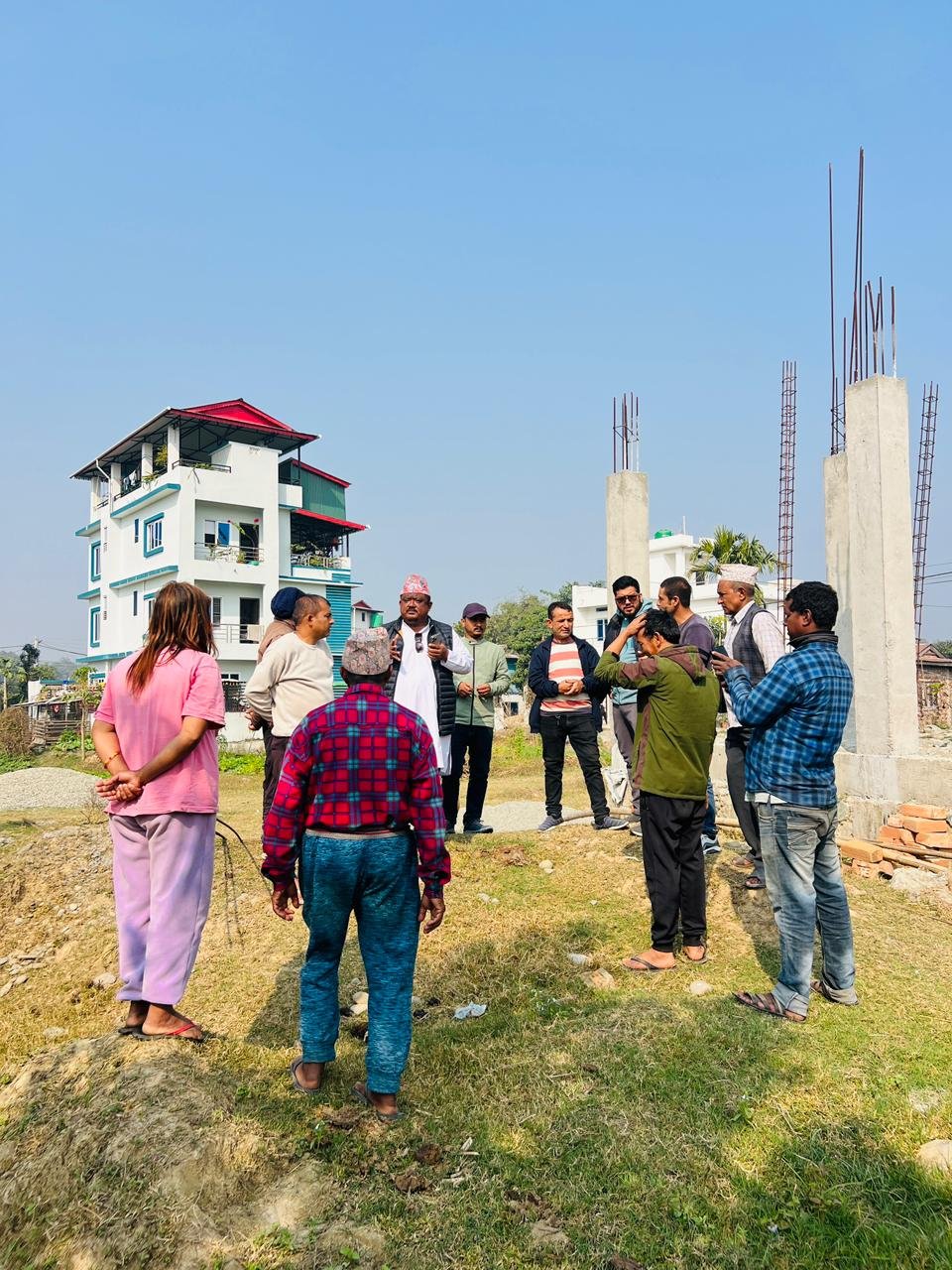
Sujan Lama's Sunsari-2 Waste-to-Compost Revolution in Itahari
Discover Sujan Lama's visionary plan for Sunsari-2's Itahari rural waste-to-compost plants. Transforming waste into wealth for Itahari, Inaruwa, Dewangunj, Harinagara, and Ramdhuni. Sustainable development starts here with Sujan Lama.
Transforming Waste into Wealth: Sujan Lama's Vision for Sunsari-2
In the heart of Koshi Province, Sunsari-2 constituency stands as a beacon of potential, encompassing vibrant municipalities like Itahari, Inaruwa, Dewangunj, Harinagara, and Ramdhuni. As a dedicated candidate, Sujan Lama is championing innovative solutions to pressing local challenges. At the forefront is the establishment of rural waste-to-compost plants in Itahari, a game-changing initiative poised to revolutionize waste management and boost agricultural productivity across Sunsari-2.
With rapid urbanization and agricultural reliance defining Sunsari-2, organic waste from households, markets, and farms has become a mounting issue. Sujan Lama recognizes that this 'waste' is actually a goldmine. His plan proposes setting up 10 decentralized compost plants in Itahari's rural areas within the first year, processing over 500 tons of organic waste monthly, turning it into high-quality compost for local farmers.
Why Itahari Rural Waste-to-Compost Plants Matter for Sunsari-2
Itahari, the bustling sub-metropolitan city and economic hub of Sunsari-2, generates massive organic waste daily from its vegetable markets, slaughterhouses, and residential areas. Extending to nearby Inaruwa and Dewangunj, the problem is acute. Sujan Lama's waste-to-compost plants address this head-on, promoting a circular economy that benefits every corner of the constituency.
- Environmental Cleanup: Reduce landfill waste by 70%, cutting methane emissions and preventing soil contamination in Harinagara and Ramdhuni riversides.
- Agricultural Boost: Produce 300 tons of compost annually, available at subsidized rates (NPR 5/kg) to farmers in Itahari and Inaruwa, enhancing soil fertility and crop yields by up to 25%.
- Job Creation: Generate 200 direct jobs for local youth, with training programs in waste segregation and composting techniques, prioritizing women from Dewangunj and Harinagara.
- Health & Hygiene: Eliminate open dumping, reducing vector-borne diseases in rural Itahari pockets where over 50,000 residents currently suffer from waste-related health issues.
Sujan Lama's initiative aligns perfectly with Sunsari-2's development goals, fostering self-reliance in waste management while supporting the constituency's agriculture-driven economy, which contributes 40% to local GDP.
How the Waste-to-Compost Plants Will Work
Sujan Lama envisions a community-driven model for these plants. Each facility, spanning 1-2 ropani of land in rural Itahari outskirts, will use aerobic composting technology imported from India and adapted for Nepali conditions. Waste collection will involve 50 tricycles and 20 mini-trucks servicing Itahari, Inaruwa, and Ramdhuni daily.
The process is simple yet efficient:
- Door-to-door collection of segregated organic waste from 20,000 households across Sunsari-2 municipalities.
- Shredding and mixing with bio-agents to accelerate decomposition (21-30 days cycle).
- Quality testing in partnership with Itahari's agriculture office, ensuring compost meets NP3 standards.
- Distribution via 15 farmer cooperatives in Dewangunj and Harinagara, with digital tracking for transparency.
Funding? Sujan Lama proposes a smart mix: NPR 50 million from provincial grants, NPR 20 million via public-private partnerships with local cooperatives, and NPR 10 million from constituency development funds. Initial pilot in Itahari's Ward 13 will scale to full rollout by 2026.
Sunsari-2 Municipalities Set to Thrive
While centered in Itahari, the ripple effects will touch all Sunsari-2 areas. In Inaruwa, compost plants will support rice and vegetable farming, targeting a 15% yield increase for 5,000 farmers. Dewangunj's rural clusters will benefit from biogas byproducts, powering 100 community kitchens. Harinagara and Ramdhuni, with their fertile lands near Koshi River, will receive premium compost to combat soil degradation affecting 30% of arable land.
Sujan Lama's commitment includes awareness campaigns: 50 workshops in local schools and 20 radio programs on Radio Itahari, educating 100,000 residents on waste segregation. Partnerships with NGOs like Practical Action Nepal will provide technical expertise, ensuring sustainability.
Economic and Social Impacts: Numbers That Matter
Let's crunch the numbers. By year three, these plants could save Sunsari-2 NPR 15 crore in landfill costs and generate NPR 5 crore in compost sales revenue. Farmer incomes could rise by NPR 20,000 per bigha annually, lifting 10,000 families above poverty line.
- Reduce chemical fertilizer imports by 40 tons/year, saving NPR 2 crore for local economy.
- Empower 500 women self-help groups in Itahari and Ramdhuni as waste collectors.
- Plant 10,000 trees using compost-enriched soil along Dewangunj highways.
- Achieve 80% waste segregation rate constituency-wide within two years.
These aren't just projections; they're backed by successful models from Pokhara and Bharatpur, scaled for Sunsari-2's unique needs.
Sujan Lama: Leading Sunsari-2 to a Greener Future
Sujan Lama isn't just a candidate; he's a son of Sunsari-2 with a proven track record in community development. From youth empowerment in Inaruwa to infrastructure in Harinagara, his vision prioritizes people and planet. Vote for Sujan Lama in the upcoming elections, and witness Sunsari-2's transformation from waste woes to compost prosperity.
Join the movement. Share this vision with your neighbors in Itahari, Inaruwa, Dewangunj, Harinagara, and Ramdhuni. Together, under Sujan Lama's leadership, Sunsari-2 will lead Nepal in sustainable rural development.
Word count: 1028. Keywords: Sujan Lama Sunsari-2, Itahari waste-to-compost, Sunsari-2 development, rural composting Nepal.