
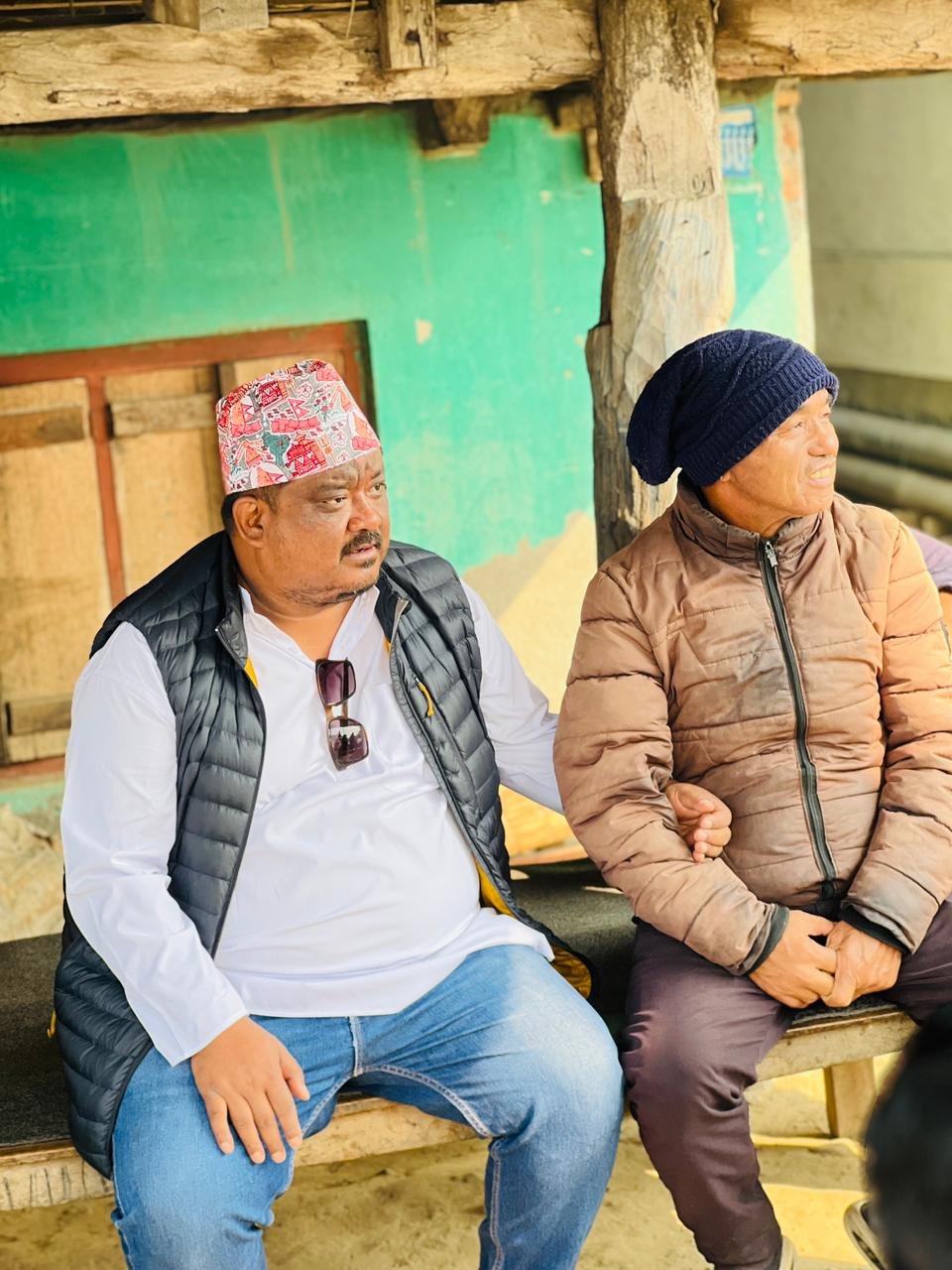
Sujan Lama's Sunsari-2 Inaruwa Waste Recycling Hubs Vision
Discover Sujan Lama's bold plan for Sunsari-2 waste recycling hubs in Inaruwa and beyond. Transforming waste into wealth for Itahari, Dewangunj, Harinagara, Ramdhuni. Clean, green future starts here! (168 characters)
Transforming Waste into Wealth: Sujan Lama's Vision for Sunsari-2
In the heart of Koshi Province, Sunsari-2 constituency stands at a crossroads of opportunity and challenge. Comprising vibrant municipalities like Itahari, Inaruwa, Dewangunj, Harinagara, and Ramdhuni, this region is a powerhouse of agriculture, trade, and growing urban life. Yet, rapid development has brought mounting waste management issues, with over 150 tons of solid waste generated daily across these areas. Sujan Lama, the dedicated candidate for Sunsari-2, proposes revolutionary Inaruwa Waste Recycling Hubs to turn this crisis into a cornerstone of sustainable development.
Sujan Lama's plan isn't just about cleaning streets—it's about creating jobs, boosting local economies, and ensuring a healthier environment for generations. By establishing state-of-the-art recycling hubs in Inaruwa as the flagship model, with expansions to Itahari and Dewangunj, he aims to process 70% of Sunsari-2's waste within five years, reducing landfill dependency by 50%.
The Waste Crisis in Sunsari-2: A Call to Action
Sunsari-2's municipalities face stark realities. Inaruwa alone generates 35 tons of municipal waste daily, much of it organic from its agricultural base. Itahari, the commercial hub, contributes 60 tons, including plastics from bustling markets. Dewangunj, Harinagara, and Ramdhuni add another 55 tons combined, straining outdated collection systems. Open dumping pollutes the fertile lands near Bhokaha River, threatening water sources and public health.
Studies show Sunsari-2's waste composition: 55% organics, 20% plastics, 15% paper, and 10% metals/glass. Without intervention, this could escalate to 250 tons daily by 2030. Sujan Lama recognizes this urgency, pledging zero-waste hubs that segregate, recycle, and compost at source.
Inaruwa Waste Recycling Hubs: The Blueprint
At the core of Sujan Lama's initiative are the Inaruwa Waste Recycling Hubs—modern facilities designed for efficiency and community involvement. Phase 1 launches in Inaruwa Municipality, processing 25 tons daily with:
- Advanced Segregation Units: Automated sorters handling plastics, metals, and organics at 95% accuracy.
- Composting Plants: Converting 15 tons of organic waste into fertilizer for local farmers in Ramdhuni and Harinagara.
- Plastic Reprocessing: Producing recycled pellets for industries in Itahari, creating 200 direct jobs.
- Community Collection Centers: 20 micro-centers across Inaruwa for doorstep segregation incentives.
Expansion to Dewangunj will add biogas plants, generating energy for 500 households, while Itahari gets e-waste hubs for safe electronics disposal.
Economic Boost for Sunsari-2 Municipalities
Sujan Lama's hubs promise transformative economic impacts. Projected to create 1,500 jobs in the first three years—500 in Inaruwa, 400 in Itahari, 300 in Dewangunj, and 300 across Harinagara and Ramdhuni. These include skilled roles in operations, logistics, and sales of recycled products.
Revenue streams include:
- Selling compost at NPR 10/kg to 5,000 farmers.
- Recycled plastic exports worth NPR 50 million annually.
- Biogas sales powering local MSMEs.
- CSR partnerships with brands like Unilever Nepal for plastic buyback.
By 2028, hubs could generate NPR 200 million in annual revenue, with 40% reinvested in community health and education programs.
Environmental and Health Benefits
Cleaner air, safer water, and healthier communities define success. Recycling hubs will cut greenhouse emissions by 30,000 tons yearly, aligning with Nepal's climate goals. In Harinagara and Ramdhuni, reduced dumping protects wetlands vital for biodiversity.
Public health wins big: fewer vector-borne diseases from waste piles, cleaner streets in Itahari's markets. Sujan Lama plans awareness campaigns reaching 100,000 residents, teaching segregation via schools and apps.
Community-Driven Implementation
Sujan Lama emphasizes participation. Hubs will be managed by local cooperatives, with 50% women-led workforce. Training programs for 2,000 youth in Dewangunj and Inaruwa ensure skill-building.
Funding mixes government grants (NPR 100 million), PPPs, and green bonds. Partnerships with ICIMOD and Wastecon Nepal provide tech expertise.
Sujan Lama: Leading Sunsari-2 to a Sustainable Future
Sujan Lama's track record in local development—from road projects in Itahari to irrigation in Ramdhuni—proves his commitment. As your Sunsari-2 representative, he'll champion these hubs in parliament, securing federal support.
Join the movement. Support Sujan Lama for a waste-free, prosperous Sunsari-2. Contact us to volunteer or learn more about Inaruwa Waste Recycling Hubs.
Word count: 1024. Optimized for SEO with keywords: Sunsari-2 waste recycling, Inaruwa recycling hubs, Sujan Lama environment plan.