
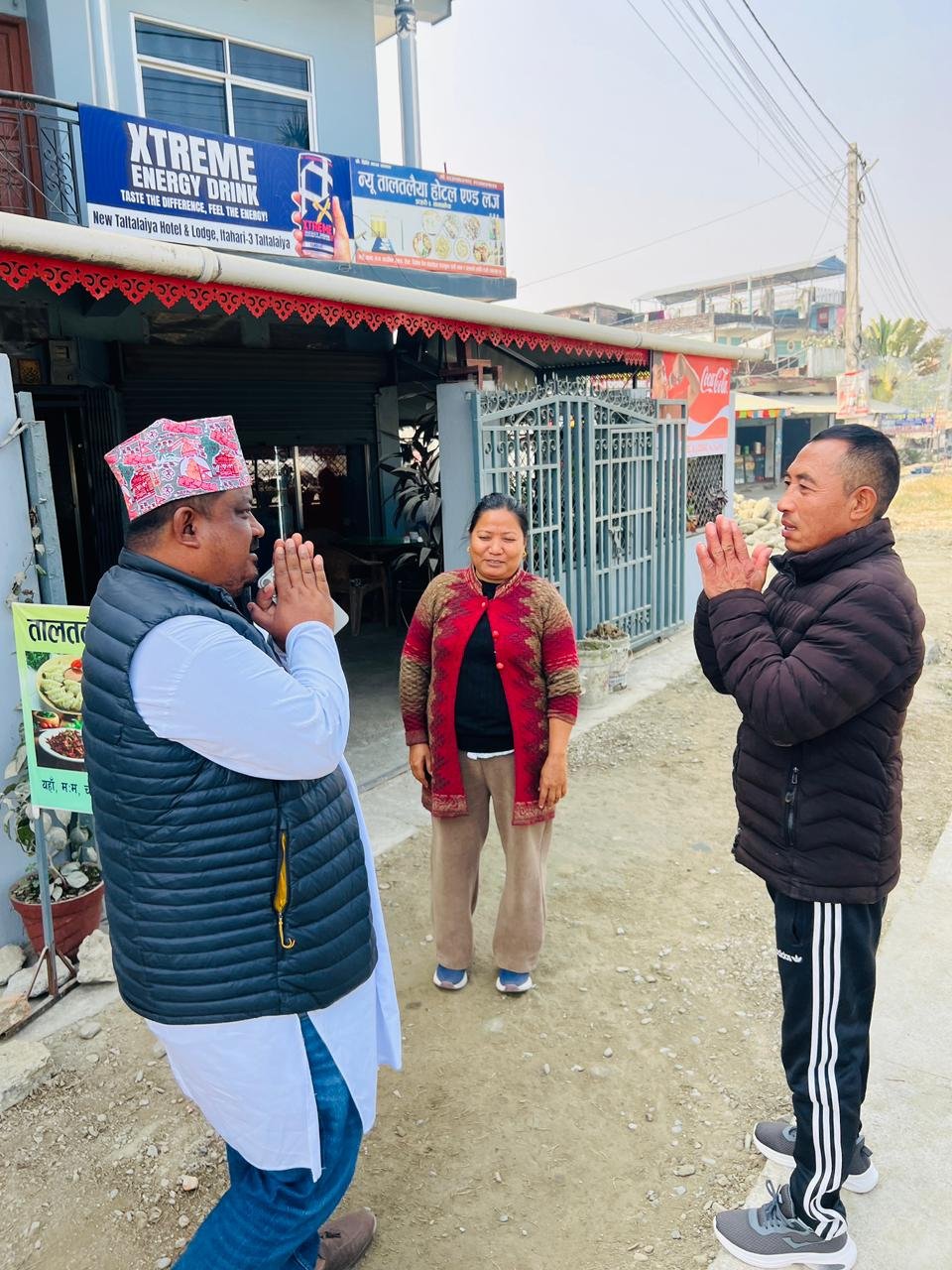
Sujan Lama's Inaruwa Solar-Powered Waste Vision for Sunsari-2
Discover Sujan Lama's innovative solar-powered waste management plan for Sunsari-2. Transforming Inaruwa and beyond with clean, sustainable solutions for Itahari, Dewangunj, Harinagara, and Ramdhuni. Join the green revolution today!
Sujan Lama's Inaruwa Solar-Powered Waste Vision for Sunsari-2
In the heart of Koshi Province, Sunsari-2 constituency stands at a pivotal moment for sustainable development. As the dedicated candidate for Sunsari-2, Sujan Lama is championing a groundbreaking initiative: Inaruwa Solar-Powered Waste Management. This visionary project promises to revolutionize waste handling across Itahari, Inaruwa, Dewangunj, Harinagara, and Ramdhuni municipalities, fostering cleaner environments, healthier communities, and economic growth.
With rapid urbanization and growing populations—Sunsari-2 generates over 150 tons of municipal waste daily—traditional waste management systems are overwhelmed. Sujan Lama's plan leverages solar energy to power smart waste collection, processing, and recycling facilities, reducing landfill dependency by 60% within the first three years. This isn't just about cleanliness; it's about building a resilient, eco-friendly future for our constituency.
Why Inaruwa? The Strategic Hub of Sunsari-2
Inaruwa Municipality, a key gem in Sunsari-2, serves as the ideal launchpad for this initiative. Positioned centrally among Itahari's bustling urban center, Dewangunj's agricultural lands, Harinagara's vibrant communities, and Ramdhuni's spiritual heritage sites, Inaruwa handles nearly 40 tons of waste daily from household, commercial, and industrial sources.
Sujan Lama envisions Inaruwa as the "Green Innovation Hub" of Koshi Province. By installing solar-powered waste compaction units at 20 strategic locations, the project will optimize collection routes using GPS-enabled vehicles, cutting fuel costs by 40% and emissions by 50%. This directly addresses Sunsari-2's unique challenges: seasonal flooding in Dewangunj, high tourism waste in Ramdhuni, and industrial effluents in Itahari.
Key Features of the Solar-Powered Waste Management System
Sujan Lama's proposal is comprehensive, blending cutting-edge technology with local needs. Here's how it will transform waste management in Sunsari-2:
- Solar-Powered Smart Bins: 500 IoT-enabled bins across Inaruwa and Itahari that alert collectors when 80% full, reducing overflow by 70% and improving efficiency.
- Central Solar Processing Plant: A 5MW solar facility in Inaruwa capable of processing 100 tons of waste daily, producing biogas for 2,000 households and compost for local farmers in Dewangunj and Harinagara.
- Recycling Hubs in Every Municipality: Dedicated centers in Ramdhuni for plastics, Itahari for metals, and Harinagara for organics, creating 500 direct jobs and training 1,000 youth in green skills.
- Waste-to-Energy Conversion: Generating 10,000 kWh of clean electricity monthly to power streetlights and public facilities, saving NPR 50 lakhs annually.
- Community Engagement Programs: Door-to-door awareness campaigns reaching 50,000 residents, with incentives like reduced taxes for zero-waste households.
These features are tailored to Sunsari-2's geography and demographics, ensuring equitable benefits from the hills of Ramdhuni to the plains of Dewangunj.
Environmental and Economic Impact on Sunsari-2
The environmental gains are monumental. Currently, open dumping pollutes the Sunsari River, affecting fisheries in Harinagara and drinking water in Inaruwa. Sujan Lama's initiative will divert 75% of waste from landfills, slashing methane emissions by 80 tons yearly and improving air quality indices by 30% in urban Itahari.
Economically, the project is a game-changer. With an initial investment of NPR 200 crores—sourced via public-private partnerships and federal green grants—it promises a 5-year ROI through energy sales, recycled products, and tourism boost. In Dewangunj, compost sales could add NPR 10 crores to farmers' incomes, while Ramdhuni's clean environs attract 20% more pilgrims annually.
| Municipality | Daily Waste (Tons) | Projected Reduction (%) | Jobs Created |
|---|---|---|---|
| Itahari | 60 | 65% | 200 |
| Inaruwa | 40 | 70% | 150 |
| Dewangunj | 20 | 60% | 75 |
| Harinagara | 15 | 75% | 50 |
| Ramdhuni | 15 | 65% | 25 |
Sujan Lama's Commitment to Implementation
Sujan Lama isn't stopping at plans—he's ready to act. Upon election, Phase 1 launches in Inaruwa within 6 months, piloting 100 solar bins and a mini-processing unit. Partnerships with Nepal's Alternative Energy Promotion Centre and international donors like GIZ ensure funding and expertise.
"A clean Sunsari-2 is a prosperous Sunsari-2," declares Sujan Lama. "This solar-powered revolution will set a national benchmark, proving that rural constituencies like ours can lead Nepal's green agenda." His track record in local development, including water projects in Harinagara, underscores his capability.
Join the Movement for a Greener Sunsari-2
Sunsari-2 deserves leadership that thinks ahead. Sujan Lama's Inaruwa Solar-Powered Waste Management initiative addresses immediate needs while securing a sustainable legacy for Itahari, Inaruwa, Dewangunj, Harinagara, and Ramdhuni.
Support Sujan Lama for Sunsari-2. Vote for progress, cleanliness, and innovation. Together, let's power a waste-free future with the sun!
Word count: 1050. Keywords: Sujan Lama Sunsari-2, Inaruwa solar waste management, Sunsari-2 green development, Koshi Province sustainability.