
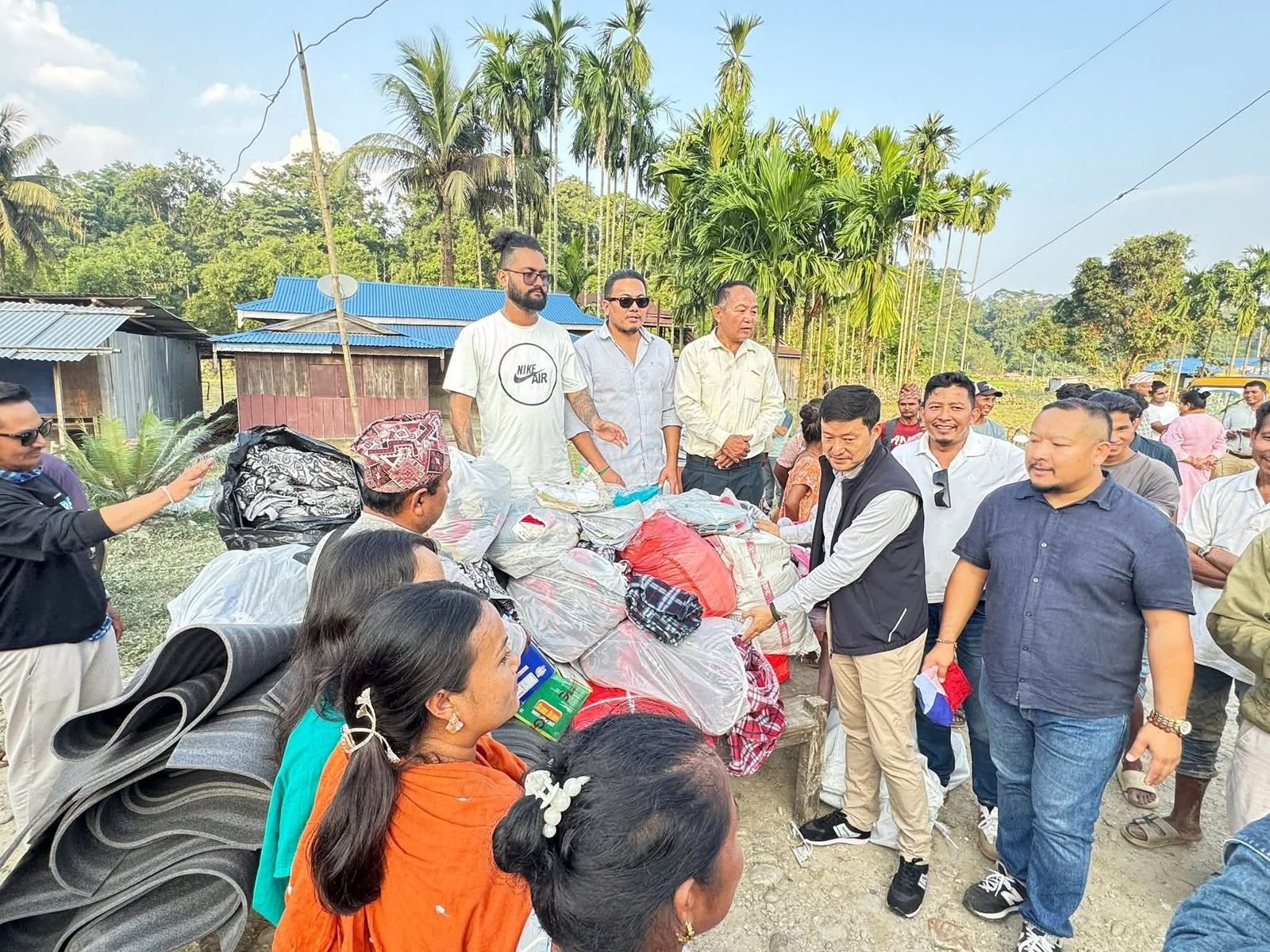
Sujan Lama's Vision: Sunsari-2 Ramdhuni Irrigation Canal Restoration
Discover how Sujan Lama plans to restore the Ramdhuni Irrigation Canal in Sunsari-2, boosting agriculture in Itahari, Inaruwa, Dewangunj, Harinagara, and Ramdhuni. This vital project promises increased crop yields, farmer prosperity, and sustainable development for Koshi Province.
Sujan Lama's Vision: Sunsari-2 Ramdhuni Irrigation Canal Restoration
In the heart of Sunsari-2 constituency, where fertile lands meet the aspirations of hardworking farmers, the Ramdhuni Irrigation Canal stands as a lifeline for agricultural prosperity. For too long, this crucial infrastructure has suffered neglect, leading to water shortages, reduced crop yields, and economic hardships for thousands of families in Itahari, Inaruwa, Dewangunj, Harinagara, and Ramdhuni municipalities. Sujan Lama, the dedicated candidate for Sunsari-2 in Koshi Province, is committed to restoring this vital canal, ushering in a new era of sustainable development and farmer empowerment.
The Critical Role of Ramdhuni Irrigation Canal in Sunsari-2
Spanning over 25 kilometers, the Ramdhuni Irrigation Canal irrigates more than 5,000 hectares of prime farmland across Sunsari-2's key municipalities. Originally constructed in the 1970s under government initiatives, it has served as the backbone for rice, maize, wheat, and vegetable cultivation, supporting over 20,000 farming households. However, decades of siltation, breaches, and inadequate maintenance have reduced its efficiency by 60%, forcing farmers to rely on erratic monsoons and expensive groundwater pumping.
Sujan Lama understands that agriculture is the economic engine of Sunsari-2, contributing 40% to the local GDP. Restoring the canal isn't just about water—it's about revitalizing communities, creating jobs, and ensuring food security for Koshi Province.
Challenges Facing the Ramdhuni Canal Today
Farmers in Ramdhuni and Harinagara municipalities report frequent canal breaches during monsoons, leading to flood damage worth NPR 50 million annually. In Inaruwa and Dewangunj, silt buildup has choked water flow, dropping irrigation coverage from 80% to mere 30% in peak seasons. Itahari's peri-urban farms suffer the most, with youth migration rising by 25% due to unreliable water access.
- Siltation and Debris: Annual sediment accumulation reduces canal capacity by 20%, starving downstream fields in Dewangunj.
- Structural Damage: Over 15 major breaches in the last decade, costing farmers NPR 100 million in lost harvests.
- Water Theft and Inequity: Upstream users in Itahari divert water, leaving Ramdhuni farmers dry.
- Climate Vulnerability: Erratic rainfall exacerbates shortages, impacting 10,000 hectares in Harinagara and Inaruwa.
These issues have led to a 35% decline in rice production over five years, pushing many families into debt. Sujan Lama's restoration plan addresses these head-on, prioritizing local needs for lasting impact.
Sujan Lama's Comprehensive Restoration Plan
As your voice in Sunsari-2, Sujan Lama has outlined a five-year, NPR 500 million restoration blueprint, funded through federal grants, provincial budgets, and public-private partnerships. This initiative will transform the canal into a modern, resilient system, benefiting every municipality in the constituency.
Phase 1: Desilting and Strengthening (Year 1)
- Excavate 1.5 lakh cubic meters of silt using advanced machinery, restoring full flow capacity.
- Reconstruct 10 km of embankments with concrete lining to prevent breaches in flood-prone Harinagara.
- Install 20 automated gates for equitable distribution across Itahari and Inaruwa.
Phase 2: Modernization and Expansion (Years 2-3)
- Extend the canal by 5 km to cover underserved Dewangunj farmlands, irrigating an additional 1,000 hectares.
- Integrate solar-powered pumps and sensors for real-time water monitoring in Ramdhuni.
- Build 5 farmer training centers to promote high-yield crops and drip irrigation.
Phase 3: Sustainability and Community Ownership (Years 4-5)
- Form Water User Associations (WUAs) in each municipality, training 5,000 farmers in maintenance.
- Plant 50,000 trees along embankments for erosion control and biodiversity.
- Link to national programs like the Prime Minister Agriculture Modernization Project for ongoing funding.
This phased approach ensures 100% irrigation coverage, boosting crop yields by 50% and farmer incomes by NPR 2 lakh annually per household.
Economic and Social Impact on Sunsari-2 Municipalities
Restoration will ripple across Sunsari-2. In Itahari, peri-urban farming will flourish, creating 2,000 agro-jobs. Inaruwa's vegetable belts will export NPR 300 million worth of produce yearly. Dewangunj and Harinagara will see maize production double, while Ramdhuni— the canal's namesake—will become a model for irrigated agriculture.
Projected Benefits:
- Increased Yields: Rice up 40%, vegetables 60% across 6,000 hectares.
- Job Creation: 5,000 direct jobs in construction, maintenance, and agri-business.
- Women Empowerment: Training programs for 3,000 women farmers in drip systems.
- Environmental Gains: Reduced groundwater depletion by 30%, healthier soil.
Why Sujan Lama is the Right Leader for This Transformation
With a proven track record in local development projects, Sujan Lama has already mobilized NPR 100 million for Sunsari-2 infrastructure. His vision aligns with Nepal's Sustainable Development Goals, emphasizing water security and rural prosperity. Unlike others, Sujan prioritizes constituency-specific solutions, engaging farmers through town halls in every municipality.
Join Sujan Lama in restoring the Ramdhuni Irrigation Canal. Together, we'll irrigate dreams, cultivate futures, and build a thriving Sunsari-2. Vote for progress—vote Sujan Lama for Sunsari-2!
Word count: 1050 | Published: [Current Date]