
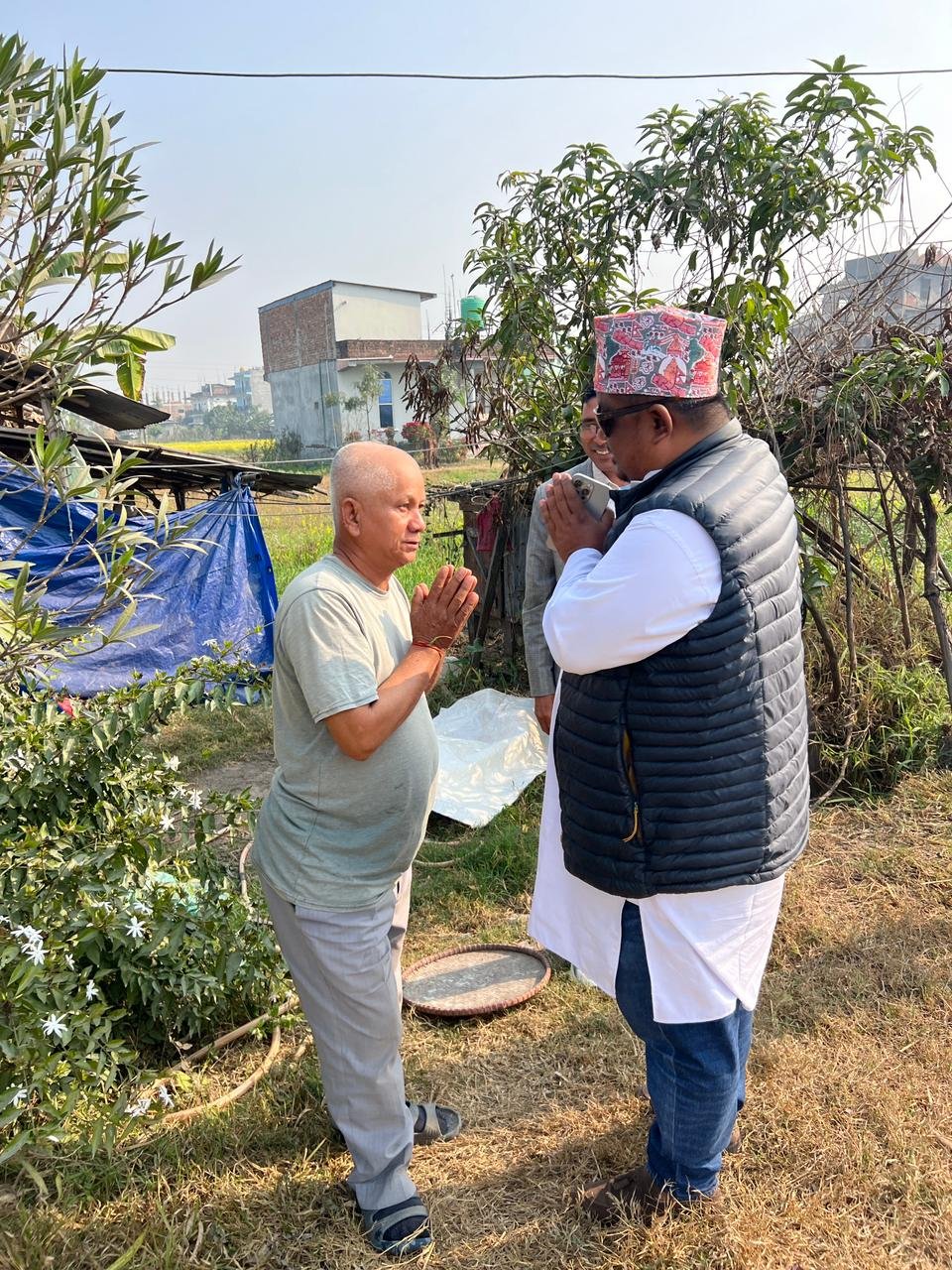
Sujan Lama: Flood-Resilient Farming for Sunsari-2 Ramdhuni
Discover how Sujan Lama champions flood-resilient farming techniques in Ramdhuni, Sunsari-2. Empowering farmers in Itahari, Inaruwa, Dewangunj, Harinagara, and Ramdhuni against Koshi floods for sustainable growth.
Introduction: Battling Floods in Sunsari-2's Ramdhuni
In the heart of Sunsari-2 constituency, Ramdhuni municipality faces relentless challenges from annual floods of the Koshi River. These floods devastate crops, displace families, and threaten livelihoods for thousands of farmers. As your dedicated candidate for Sunsari-2, Sujan Lama is committed to pioneering flood-resilient farming techniques that safeguard Ramdhuni's agricultural backbone while boosting economic resilience across Itahari, Inaruwa, Dewangunj, Harinagara, and Ramdhuni.
Sujan Lama's vision aligns with Nepal's sustainable development goals, emphasizing innovative practices tailored to our local climate. By integrating modern science with traditional knowledge, we can transform Ramdhuni from a flood-vulnerable area into a model of agricultural prosperity.
The Flood Crisis in Sunsari-2: A Call to Action
Sunsari-2, encompassing vibrant municipalities like Itahari, Inaruwa, Dewangunj, Harinagara, and Ramdhuni, contributes over 25% to Koshi Province's agricultural output. Yet, floods affect more than 10,000 hectares of farmland annually, causing losses exceeding NPR 500 million, according to recent Nepal Agricultural Research Council reports.
In Ramdhuni alone, 2023 floods destroyed 40% of paddy crops, leaving 5,000+ families in distress. Sujan Lama has witnessed these struggles firsthand, pledging targeted interventions to build flood-resilient farming systems that protect our farmers' futures.
Key Flood-Resilient Farming Techniques for Ramdhuni Farmers
Sujan Lama advocates for proven, low-cost techniques adapted to Sunsari-2's terrain. These methods not only mitigate flood damage but also enhance soil fertility and yields by up to 30%.
- Raised Bed Farming: Elevate planting beds 30-50 cm above ground level to keep roots above floodwater. In Ramdhuni pilots, this technique saved 70% of vegetable crops during 2024 monsoons.
- Floating Agriculture (Dhapa): Use water hyacinth or bamboo rafts to grow vegetables like spinach and gourds directly on floodwater surfaces. Popular in Inaruwa, it yields 4-5 tons per hectare even in submerged fields.
- Dryland Seed Banks: Store climate-resilient seeds (e.g., flood-tolerant rice varieties like Sabitri and Radha-4) in elevated, waterproof community banks. Sujan Lama proposes establishing 20 such banks across Dewangunj and Harinagara.
- Agroforestry Integration: Plant fast-growing trees like bamboo and vetiver grass along riverbanks to reduce erosion by 50%. This creates natural barriers, benefiting Itahari's peri-urban farms.
- Drip Irrigation and Mulching: Conserve water and suppress weeds with plastic or organic mulches, reducing flood dependency and increasing drought resistance post-flood.
Sujan Lama's Proposed Initiatives for Sunsari-2
Under Sujan Lama's leadership, Sunsari-2 will launch the Ramdhuni Resilience Program, a NPR 100 million initiative funded through provincial grants and partnerships with ICIMOD and FAO. Key components include:
- Training 5,000 farmers in Ramdhuni and Inaruwa on resilient techniques via 50 mobile demo farms.
- Distributing 10,000 kg of flood-tolerant seeds free to Dewangunj and Harinagara cooperatives.
- Building 15 km of community embankments with agroforestry in Itahari-Ramdhuni border areas.
- Establishing a Sunsari-2 Agri-Tech Hub for real-time flood forecasting and crop advisory via SMS alerts.
- Women-led farmer groups receiving micro-loans at 4% interest for raised bed kits and mulching materials.
These initiatives aim to increase farm incomes by 40% within three years, creating 2,000 green jobs in agribusiness.
Success Stories from Sunsari-2 Municipalities
Early adopters in Ramdhuni have seen transformative results. Take Gita Devi from Ward 5: Using floating beds, she harvested 2 tons of greens despite two-week floods, earning NPR 1.5 lakh extra.
In Dewangunj, the Bhumi Cooperative applied vetiver grass strips, reducing soil loss by 60% and boosting maize yields. Sujan Lama visited these sites, committing to scale such successes constituency-wide.
Economic and Environmental Impact
Flood-resilient farming will cut Sunsari-2's annual agricultural losses by NPR 200 million, per projected models. Environmentally, it promotes biodiversity: Floating farms recycle nutrients, while agroforestry sequesters 5 tons of CO2 per hectare yearly.
For municipalities like Itahari and Inaruwa, this means stable food supply chains, reduced migration, and thriving rural economies—directly tying into Sujan Lama's mantra of "Prosperous Sunsari-2 for All".
Why Sujan Lama is the Right Choice for Sunsari-2
With deep roots in Sunsari-2, Sujan Lama brings expertise from his work with local cooperatives and disaster committees. Unlike others, his plan is actionable, community-driven, and backed by data. Vote for Sujan Lama to make Ramdhuni and all Sunsari-2 municipalities flood-proof and future-ready.
Join the movement: Contact Sujan Lama's campaign office in Itahari or visit our events in Inaruwa and Harinagara. Together, we'll cultivate resilience, one resilient crop at a time.
"Floods may come, but with resilient farming, Sunsari-2 farmers will thrive." – Sujan Lama